- Home
- Feldenkrais for Runners
- Online Feldenkrais Running Course
The Method That Healed My Back and Helped Me Run Injury Free
Why I recommend this online Feldenkrais running course to runners who keep getting hurt.
I am an affiliate for this course, so I get paid a commission if you register using my links. It costs you nothing extra.
My back problem started long before I became a runner, and years later it still would not go away. I tried all the usual therapies, but nothing helped resolve the issue.
Then I started Feldenkrais® lessons, twice a week, for about four months. As a result, my back healed. But what I learned from the experience goes beyond pain relief. I learned how to respond differently to pain.
In a Feldenkrais lesson you make very small movements and give them your complete attention. Nothing is forced and it is not physically challenging. When I did this, whatever was restricting my movement began to let go, and when the restriction let go, the pain went with it. My back was not damaged. Its movement was restricted. That is a different problem and requires a different answer. Once I understood the difference, it changed everything for me.
At this point in my life, I had been running regularly for a few years. I loved running, but I felt a lot of pain and stiffness after running. No matter how much I stretched, there was no relief.
I began to apply what I learned from the Feldenkrais lessons to how I moved while running. With more attention, my form improved on its own. And, whenever I felt a niggle anywhere in my body, I gave it the same careful attention I had given those small movements. With early attention, the niggle did not turn into an injury. I have been doing this same practice for more than twenty years.
This is why Feldenkrais comes up so often on this site. It is where it all started for me.

An Online Feldenkrais Running Course
My friend Jae Gruenke is a Feldenkrais practitioner and the founder of The Balanced Runner™. She has spent more than twenty years helping runners, from complete beginners to Olympians, and she has built a six-week course that applies the Feldenkrais Method specifically to running.
The lessons are audio and video, you do them at home, and you can start the day you register. You are not learning about how you move. You are feeling how you move, which is the part that changes things.
If you are wondering how movement can be taught over the internet at all, that was my question too. One participant put it well, saying it was the only online exercise program she had done that actually seemed to work, because of the way the lessons were put together.
The first lesson of the course is free. You do not need to pay anything to try it, and you will see the outline of the rest of the course. If you are unsure whether this suits you, that is the best way to find out.
What I Have Done, and What I Have Not
My own Feldenkrais lessons were in person, years ago, and they were about my back rather than my running. So I am not telling you that I have taken this course myself.
What I am telling you is that this is the method that changed how I move, and Jae is the person I would send a runner to.
What Happened for Other Runners
Two stories are worth reading before you decide.
Steve got back to running at sixty-eight, after a decade off with injury. Isabelle recovered from IT band syndrome she had been carrying for seven years.
They are not elite runners. But both of them are the runners I write for on this site. There are more participant stories on Jae's site, including runners at the other end of the scale. Jen Rhines, a three-time Olympian, credits the method with extending her career, and the ultramarathoner William Sichel is on record too.
Too Injured to Run? You Are Not the Exception
Being injured is not a reason to count yourself out. A good number of participants could only manage a few minutes of running when they started the course, and were running regularly again by the end. Jae has guidelines on her site about which injuries the course suits, so it's worth reading those and emailing her if you are unsure.
The Cost
The course costs $300 USD, or six monthly payments of $50.
You can register for the course here: The Balanced Runner System™ Online Camp
Any questions about whether it suits you are best answered by Jae directly at: jae@balancedrunner.com
If you are in the US and have an HSA or FSA, Jae's site explains how those funds can be used for the course.
Jae on Why Runners Get Injured
In this short talk from the Feldenkrais Awareness Summit, Jae explains what she believes the real cause of running injuries is. Her answer is not the one most runners expect, and it is not that you are running too much.

Whether or not the course is right for you, you can start with this practice right away. The next time you feel a twinge or niggle, before you start thinking about what it means or what to do about it, stop and give it your full attention for a minute. Notice exactly where it is in your body, and what it does when you breathe into it.
That is the practice, and you do not need a course or a practitioner to start.
You can read more about Feldenkrais for Runners here.
Back to top of Online Feldenkrais Running Course
Free Running Form Template
A simple breakdown of what good running form actually involves. It comes by email when you join the newsletter.
- Home
- Feldenkrais for Runners
- Online Feldenkrais Running Course
NEW FEATURE - DISQUS COMMENTS!
Login using Facebook, Twitter, Google or Disqus.
Want my writing to find you more easily?
Add The Peaceful Runner as a preferred source on Google

Recent Articles


-
Feldenkrais for Runners: The Method That Changed How I Run
Sep 20, 26 10:01 AM
Feldenkrais for runners teaches you to feel how you move, so restriction releases and a niggle stops becoming an injury. Has a five-minute practice to try. -
My Back Healed, and It Changed How I Run
Sep 15, 26 02:07 PM
Why I recommend this online Feldenkrais running course to runners who keep getting hurt. -
Six Hot Runs in Protaras, and the Quiet Trail I Found
Aug 31, 26 12:35 PM
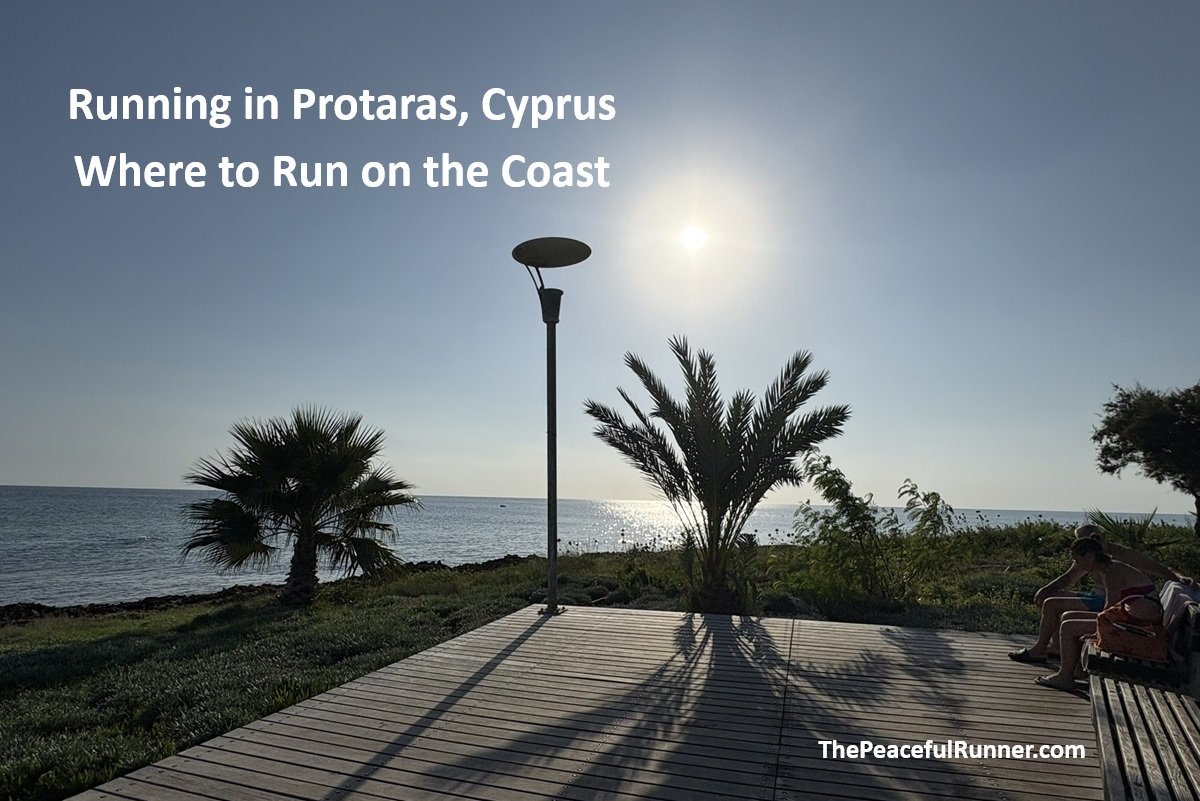
Running in Protaras in July heat. The busy boardwalk north, the quiet gravel trail south towards Green Bay, and how to stay present when it is hot. -
An Honest Note About Runners Trots, and What I Am Beginning to Suspect
Aug 05, 26 10:22 AM

A personal story from a Saturday morning parkrun, and what I am beginning to suspect about the connection between fear, tension, and cramping. -
Josh Kerr's Training Routine: The Foundations of a Mile World Record
Jul 20, 26 06:04 AM

Josh Kerr just broke the mile world record. He ran 3:42.66 in London Saturday, taking down a mark that stood for 27 years. -
Introducing The Peaceful Runner Method Workbook
Jul 08, 26 06:01 AM

Announcing The Peaceful Runner Method Workbook, a mind-body guide for runners who keep getting hurt. Learn eleven simple practices for running injury-free. -
How to Listen to Your Body When Running
Jun 20, 26 09:44 AM

A true story about a stubborn ache and what listening to my body taught me. -
How To Prevent Running Injuries - 7 Lessons
Jun 05, 26 12:50 PM
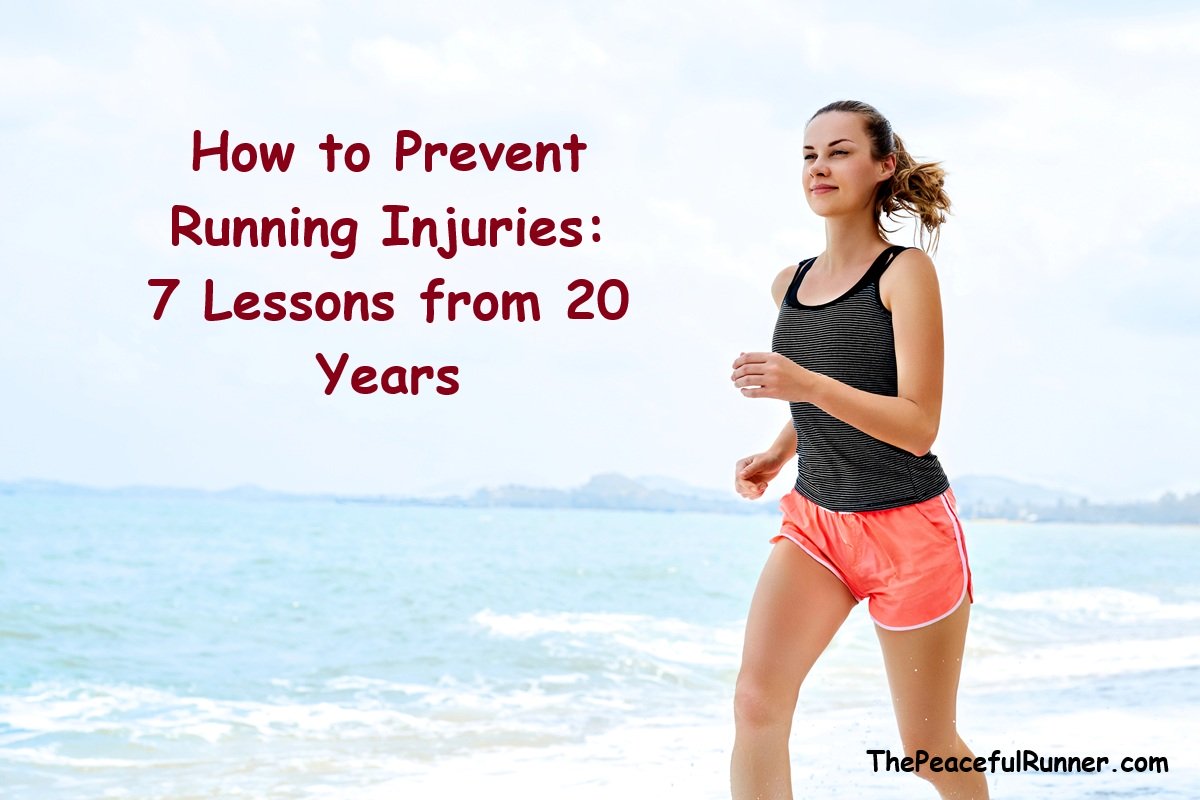
Seven things I have learned about running injuries that most runners are never told. -
Why More Runners Are Switching to Toe Socks
May 04, 26 02:04 PM
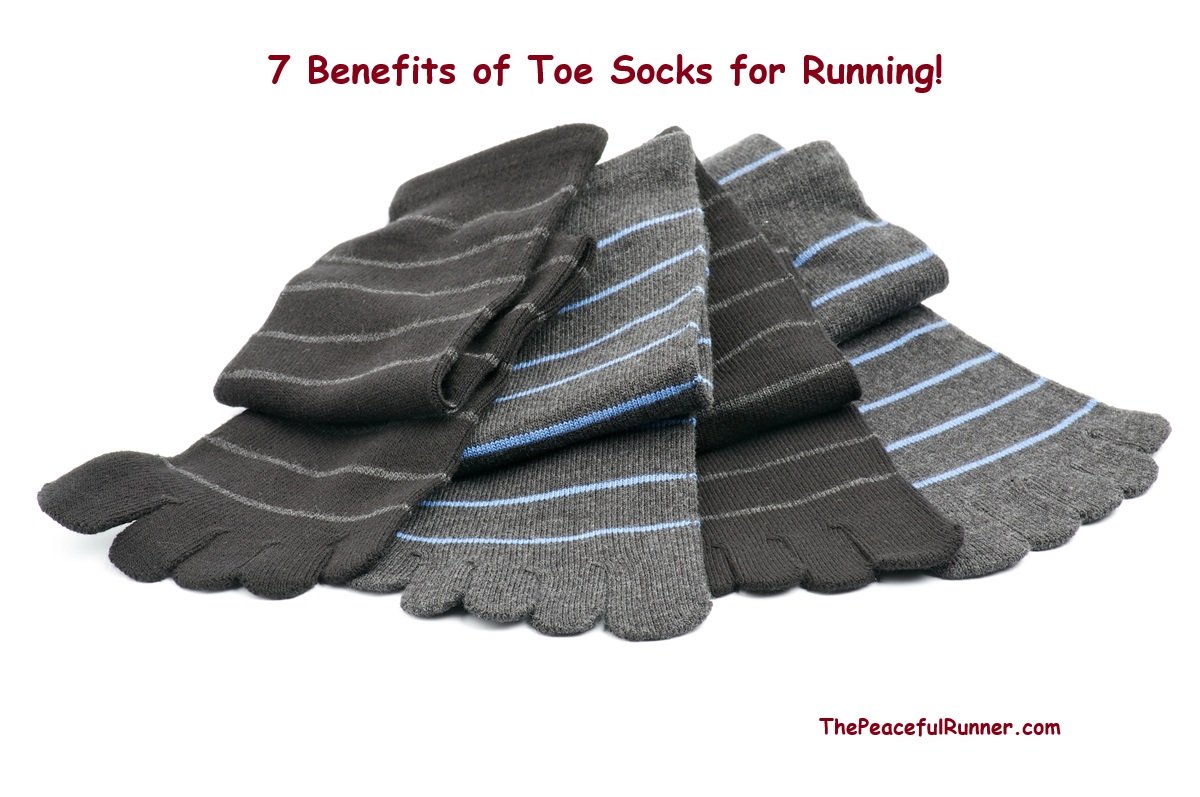
Toe socks might look a little unusual at first, but more and more runners are making the switch. They can make a meaningful difference to your running comfort and performance. -
What Heel Strikers Should Know
Apr 10, 26 01:34 PM
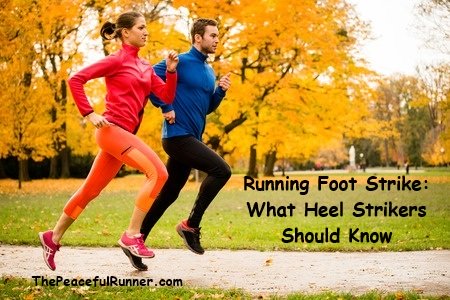
If you’ve ever wondered whether your stride is helping or holding you back, this will give you clarity.
Confused About the Correct Running Form?
Our Free Running Form Template Can Help...
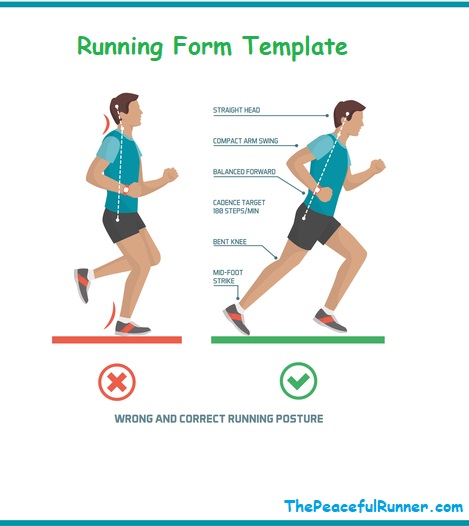
Get the running form template now!
Our template provides a straightforward explanation of the components of good running form, eliminating any confusion about how to improve your running technique.
Hate bulky phone holders
that bounce and slip?

The #PRPocket clips securely to the inside of your waistband.

Try our Guided Running Meditation to become a peaceful, happy and injury free runner.
© Copyright 2010-2026, By Jackie Linehan, RTTP, C.Hyp, ThePeacefulRunner.com.
All Rights Reserved.
Home | About Me | Search | Site Map | Contact Me | Privacy Policy | Disclaimer | Terms and Conditions